
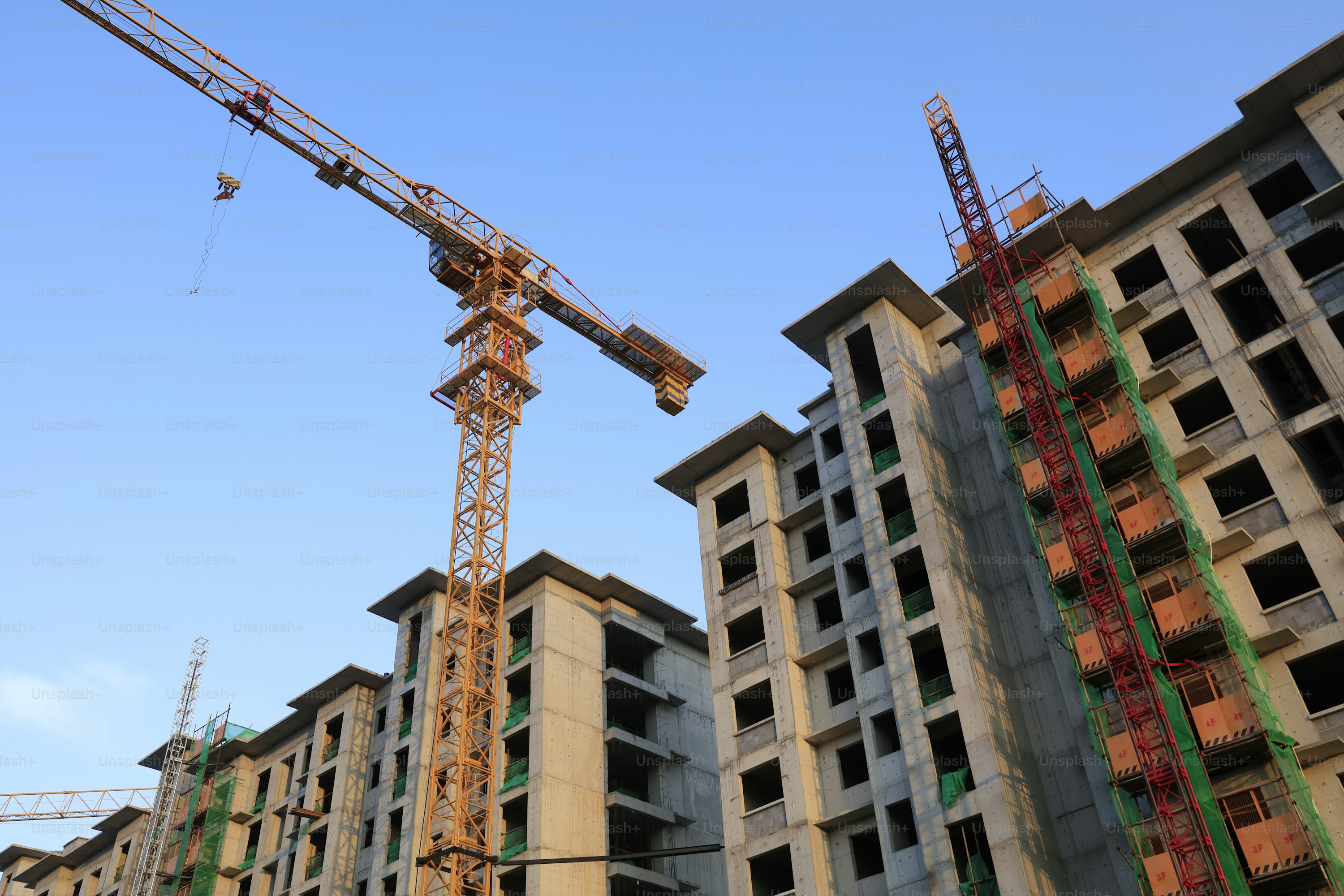
History and Evolution of Light Gauge Steel in Global Construction
The story of light gauge steel is more interesting than you might expect. What seems like a modern construction innovation actually has roots stretching back over 150 years. Understanding this hist...
Introduction
The story of light gauge steel is more interesting than you might expect. What seems like a modern construction innovation actually has roots stretching back over 150 years. Understanding this history helps explain why LGS has become such an important building material today, and why it's particularly relevant for Nigeria's construction future.
I've always found that knowing where something comes from helps you understand where it's going. So before we dive into the technical details of using LGS in Nigerian projects, let's take a journey through its evolution. From the early experiments in 19th-century America to the sophisticated manufacturing systems producing steel for Lagos construction sites today, the story of light gauge steel is one of continuous innovation and adaptation.
The Early Days: 19th Century Origins
The concept of using thin steel sections for building construction emerged in the United States during the 1850s. The first patents for cold-formed steel shapes were filed in the 1860s, though the technology was still in its infancy. These early steel sections were primarily used for non-structural applications, things like furring strips and ceiling grids.
What drove this development? Two main factors. First, the Industrial Revolution had made steel production much more affordable and consistent. Second, builders were looking for alternatives to timber, which was becoming scarce in some areas and suffered from well-known problems with rot and pests.
The real breakthrough came in the 1880s with the development of more sophisticated rolling mills. These machines could produce consistent, high-quality steel sections in significant quantities. By the 1890s, light gauge steel was being used for structural applications in some American buildings, though it was still considered somewhat experimental.
The 20th Century: Standardization and Growth
The early 20th century saw important developments in standardization. In 1921, the American Iron and Steel Institute (AISI) published the first specifications for cold-formed steel structural members. This was crucial, it meant that engineers could design with LGS confidently, knowing that the material properties were defined and consistent.
The 1930s and 1940s brought further refinements. The development of continuous roll-forming machines in the 1930s made production much more efficient. World War II actually accelerated LGS development, as steel framing was used extensively in military construction where speed and consistency were essential.
Post-war, LGS found its way into residential construction in a big way. In the United States, particularly in areas with termite problems or moisture issues, steel framing became an attractive alternative to timber. By the 1960s, millions of homes had been built using light gauge steel framing.
The Modern Era: 1970s to Present
The last fifty years have seen remarkable advances in LGS technology. Computer-controlled roll-forming machines can now produce sections with incredible precision. New steel grades and coating systems have dramatically improved durability. And perhaps most importantly, building codes and design standards have evolved to fully incorporate LGS as a mainstream construction material.
In the 1990s and 2000s, LGS began spreading globally. Australia and New Zealand became major users, developing their own standards (the AS/NZS 4600 series) that have influenced codes worldwide. Europe saw growing adoption, particularly in countries with strong steel industries. And in Asia, countries like Japan and South Korea embraced LGS for its speed and quality advantages.
Light Gauge Steel Comes to Africa
The arrival of LGS in Africa is a more recent story. South Africa was the pioneer on the continent, with significant adoption beginning in the 1990s. The country's steel industry and relatively sophisticated construction sector provided a good foundation for LGS growth.
Nigeria's LGS story really begins in the 2000s. Early adoption was driven by a few forward-thinking developers and contractors who saw the potential benefits. The first significant projects were commercial, warehouses and retail buildings where speed of construction offered clear economic advantages.
The 2010s saw gradual growth in residential applications. As more Nigerian builders gained experience with LGS and local supply chains developed, the material became more accessible. Companies in Lagos and Abuja began investing in roll-forming equipment, reducing dependence on imports.
Key Technological Milestones
Several technological developments have been particularly important for LGS evolution. The shift from hot-rolled to cold-formed production was fundamental, it allowed for thinner, lighter sections with consistent properties. Computer-controlled manufacturing, which became widespread in the 1980s and 1990s, brought unprecedented precision.
Coating technology has also evolved significantly. Early galvanized steel used relatively thin zinc coatings by modern standards. Today's G90 and Z275 coatings offer dramatically improved corrosion resistance, which is particularly important in challenging environments like coastal Nigeria.
Connection methods have improved too. Self-drilling screws, which are now the standard for LGS assembly, weren't widely available until the 1970s. Before that, connections were more labor-intensive and less reliable. Modern screw systems allow for fast, strong connections that can be made with standard power tools.
The Nigerian Context Today
Today, Nigeria is at an interesting point in its LGS journey. The technology is well-established globally, with proven performance over decades. Local manufacturing capacity is growing. And perhaps most importantly, Nigerian builders are developing the expertise to use LGS effectively in local conditions.
I've visited LGS manufacturing facilities in Lagos and spoken with contractors who've completed dozens of steel-frame projects. The learning curve is real, there have been mistakes and setbacks along the way. But the overall trajectory is clear: LGS is becoming a mainstream construction option in Nigeria.
What This History Means for Nigerian Builders
Understanding this history matters for several reasons. First, it demonstrates that LGS isn't some untested new technology, it's a mature building system with a track record spanning well over a century and millions of buildings worldwide.
-
Second, the evolution of standards and codes means that Nigerian builders can draw on a vast body of knowledge. We don't have to figure everything out from scratch. Design methods, construction techniques, and quality standards have been developed and refined over decades.
-
Finally, the global nature of LGS development means that Nigerian builders have access to international expertise and can learn from other countries' experiences. Australia's work on LGS in challenging climates, for example, is directly relevant to Nigerian conditions.
Looking Forward
The next chapter of LGS history is being written now, and Nigeria has the opportunity to be part of it. As local manufacturing grows and Nigerian engineers and builders develop deeper expertise, we're likely to see continued innovation adapted to local conditions.
I believe we'll see LGS play an increasingly important role in addressing Nigeria's housing challenges. The speed and quality advantages are particularly relevant for large-scale housing programs. And as sustainability concerns grow globally, LGS's recyclability and efficiency will become even more important selling points.
The history of light gauge steel is a story of continuous improvement and adaptation. From its 19th-century origins to its current role in Nigerian construction, LGS has proven its value as a building material. For Nigerian builders and developers, understanding this history provides confidence that they're working with a proven, evolving technology.
Conclusion
The journey of light gauge steel from experimental 19th-century material to mainstream global construction solution is a fascinating one. For Nigeria, we're now at a point where we can benefit from over 150 years of development and refinement while also contributing our own innovations and adaptations.
Whether you're a contractor considering your first LGS project or a homeowner exploring building options, knowing this history should give you confidence. Light gauge steel isn't a fad or an untested experiment, it's a mature, proven building technology that's finding its place in Nigerian construction.
Author Bio: Construction historian and industry analyst with expertise in global building technology evolution and Nigerian construction development.
Tags
About the Author
PristiqBuild Expert Team - Construction industry professional with extensive experience in Nigerian building projects, specializing in modern construction methods and materials.
Ready to Start Your LGS Project?
Get expert guidance and quality materials for your light gauge steel construction project.
Related reading
- Foundational Knowledge
Types of Light Gauge Steel Profiles and Their Uses in Nigerian Construction
If you're involved in Nigerian construction, light gauge steel profiles is something you need to understand. I've seen this topic come up repeatedly in project meetings and site discussions across ...
8 min read - Foundational Knowledge
Light Gauge Steel vs Traditional Construction Methods in Nigeria: A Detailed Comparison
Choosing between different options is one of the biggest challenges in Nigerian construction. When it comes to light gauge steel vs traditional construction Nigeria, the decision isn't always strai...
8 min read - Foundational Knowledge
Why Light Gauge Steel is Gaining Traction in Nigeria's Construction Industry
If you're involved in Nigerian construction, light gauge steel popularity Nigeria is something you need to understand. I've seen this topic come up repeatedly in project meetings and site discussio...
8 min read