
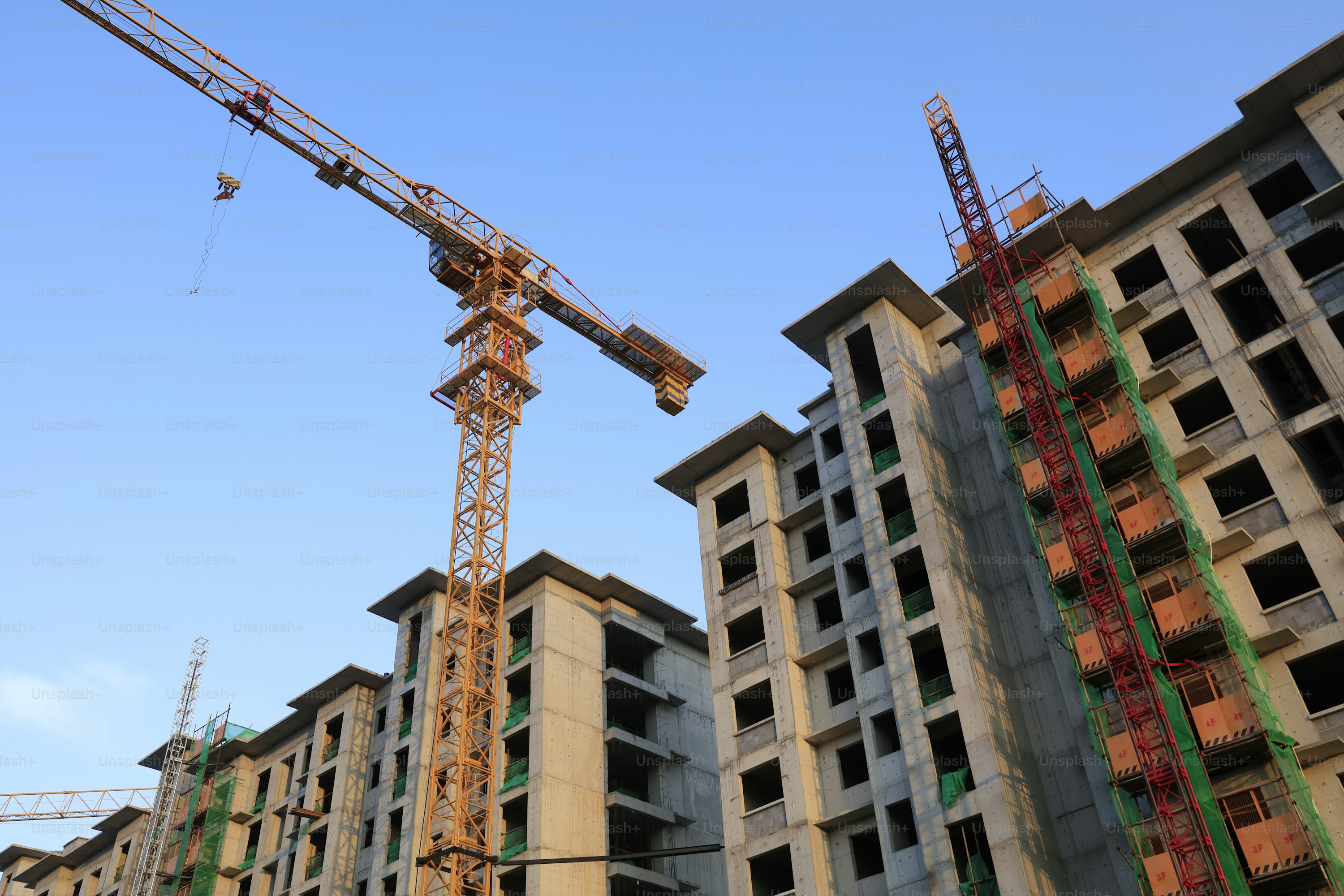
What is Light Gauge Steel? The Complete Beginner's Guide for Nigerian Builders
Look, if you've been around the Nigerian construction scene lately, you've probably heard people talking about light gauge steel. Discover everything you need to know about LGS construction in Nigeria.
Introduction
Look, if you've been around the Nigerian construction scene lately, you've probably heard people talking about light gauge steel. Maybe you've seen those skeletal steel frames rising up on building sites in Lagos or Abuja and wondered what exactly is going on. Well, here's the thing, light gauge steel (LGS) is quietly revolutionizing how we build in Nigeria, and understanding it could save you serious time and money on your next project.
So what exactly is light gauge steel? In simple terms, it's thin sheets of steel that have been cold-formed into specific shapes and profiles for building construction. Unlike the heavy steel beams you see in skyscrapers, light gauge steel is, you guessed it, light. We're talking about steel sections ranging from 0.40mm to about 6.00mm in thickness, formed into C-sections, U-tracks, and other profiles that work together to create the skeleton of a building.
Now, I know what you might be thinking. Steel? For houses? In Nigeria? But here's what matters: this isn't your grandfather's construction material. Light gauge steel has been engineered specifically for modern building needs, and honestly, it's particularly well-suited to Nigeria's climate and construction challenges.
In this comprehensive guide, I'll walk you through everything you need to know about light gauge steel, from how it's made to why Nigerian developers are increasingly choosing it over traditional block construction. Whether you're a homeowner planning your dream house, a contractor looking to expand your services, or a developer seeking faster construction methods, this guide has you covered.
What is Light Gauge Steel?
Light gauge steel, often abbreviated as LGS, is a construction material made from thin steel sheets that are cold-formed into various structural shapes. The term "cold-formed" is important here, it means the steel is shaped at room temperature rather than being heated and rolled like traditional structural steel. This process gives LGS some unique properties that make it ideal for building construction.
The steel used in LGS typically starts as flat-rolled steel coils, usually galvanized with a zinc coating to prevent corrosion. These coils are fed through a series of rollers in a process called roll-forming, which gradually bends the steel into the desired profile without heating it. The result is precise, consistent sections that can be produced quickly and efficiently.
In Nigeria, you're most likely to encounter LGS in thicknesses ranging from 0.55mm to 2.00mm, with 0.75mm and 1.00mm being common for residential construction. The steel grade is usually S350 or S450, which refers to the yield strength of the material, essentially how much force it can withstand before deforming permanently.
Key Characteristics of Light Gauge Steel
Let me break down what makes LGS special. First, there's the strength-to-weight ratio. Light gauge steel is incredibly strong for its weight. A steel frame that weighs significantly less than a comparable concrete or timber frame can actually support more load. This matters in Nigeria because lighter structures mean less foundation work, which translates to cost savings.
Then there's the precision. Because LGS is manufactured in controlled factory conditions, every piece is consistent. When you're building on site in Lagos or Port Harcourt, you don't have to worry about warped timber or irregular blocks. Everything fits together as designed, which speeds up construction considerably.
The durability is another major selling point. Properly galvanized light gauge steel can last 50 years or more, even in Nigeria's challenging coastal environments. It doesn't rot like timber, it won't be eaten by termites (a real problem in many parts of Nigeria), and it doesn't crack like concrete can.
How Light Gauge Steel Differs from Other Construction Materials
I've noticed that many people confuse light gauge steel with the heavy structural steel used in commercial buildings or bridges. Let me clear this up. Structural steel, the hot-rolled beams you see in large buildings, is thick, heavy, and requires specialized equipment to handle. Light gauge steel is thin, lightweight, and can be cut and assembled with standard construction tools.
Compared to concrete blocks, LGS offers significant advantages in speed and labor. A block wall might take a week to build; the equivalent steel frame can go up in a day or two. The trade-off is that steel frames need some form of cladding or finishing, you can't leave the steel exposed like you can with block work.
Timber framing is probably LGS's closest competitor in the Nigerian market. Both are lightweight, both allow for fast construction, and both can be used for similar building types. But timber has issues with moisture, termites, and consistency that steel simply doesn't have. In my experience, a well-built LGS structure will outlast a timber one by decades in Nigeria's climate.
The Manufacturing Process
Understanding how LGS is made helps explain why it's become so popular. The process starts with steel coils, typically hot-dip galvanized with a zinc coating of G90 or Z275 specification. This galvanization is crucial, it protects the steel from corrosion, which is especially important in humid coastal areas like Lagos and Port Harcourt.
These coils are loaded onto a roll-forming machine, which is essentially a series of precisely positioned rollers that gradually bend the steel into shape. The machine can be set up to produce different profiles, C-sections for studs, U-tracks for top and bottom plates, and various specialized shapes for specific applications.
What's impressive about this process is the precision. Modern roll-forming machines can produce sections with tolerances of less than a millimeter. This means when you order LGS components for your project, you know exactly what you're getting. There's none of the variation you'd expect with timber or the irregularities common with concrete blocks.
In Nigeria, we're seeing more local manufacturers investing in roll-forming equipment. Companies in Lagos, Abuja, and Port Harcourt now produce LGS sections locally, which helps with availability and pricing. Of course, some high-specification products are still imported, particularly from China and South Africa, but the local industry is growing rapidly.
Common Applications in Nigerian Construction
So where is LGS being used in Nigeria? Pretty much everywhere, honestly. In the residential sector, it's popular for bungalows, duplexes, and even multi-story apartment buildings. I've seen impressive three-bedroom bungalows go up in under six weeks using LGS framing, something that would take three to four months with traditional block construction.
Commercial applications are growing too. Warehouses, retail shops, and office buildings are increasingly using LGS for their speed of construction and cost advantages. In Lagos especially, where time is money and rental yields matter, being able to complete a commercial building quickly can make a significant difference to the bottom line.
Institutional buildings, schools, clinics, community centers, are another growth area. Government agencies and NGOs are recognizing that LGS can deliver quality buildings faster and often at lower cost than traditional methods. This is particularly relevant for addressing Nigeria's housing and infrastructure deficits.
Why Light Gauge Steel Makes Sense for Nigeria
Here's the reality: Nigeria faces some unique construction challenges that LGS addresses particularly well. First, there's the speed issue. With traditional construction, a typical family home might take 8-12 months to complete. Weather delays, material shortages, labor issues, all these factors stretch timelines. LGS can cut that to 3-4 months, sometimes even less.
Then there's quality control. Anyone who's built with blocks in Nigeria knows the frustration of inconsistent materials, poorly cured blocks, and the constant need for supervision. LGS components are manufactured to specification and delivered ready to use. The quality is built in, not dependent on site conditions.
Labor is another factor. Skilled block layers are becoming harder to find and more expensive to hire. LGS assembly requires different skills, more about precision fitting and fastening than traditional masonry. Many Nigerian contractors are finding it easier to train workers in LGS assembly than to find experienced masons.
Cost considerations are complex and I'll go into more detail in other articles, but generally speaking, LGS can be cost-competitive with traditional construction, especially when you factor in the time savings and reduced waste.
Addressing Common Concerns
Let me address some concerns I hear regularly. Yes, steel can rust, but modern galvanization techniques mean that properly specified and installed LGS will last decades, even in coastal environments. The key is using the right coating specification (G90 or Z275 minimum) and ensuring proper detailing to prevent water traps.
Heat is another concern people raise. "Won't a steel house be hot?" The steel frame itself doesn't significantly affect interior temperature, that's determined by insulation and cladding. In fact, LGS buildings can be highly energy-efficient when properly insulated, which is increasingly important as electricity costs rise in Nigeria.
What about lightning? Steel buildings are actually safer in lightning storms because the steel frame provides a path to ground. This is well-established in engineering literature and shouldn't be a concern.
Getting Started with Light Gauge Steel
If you're considering LGS for your project, my advice is to start by finding experienced professionals. The design phase is crucial, LGS buildings need to be properly engineered, taking into account wind loads, seismic considerations (relevant in some parts of Nigeria), and the specific requirements of your site.
You'll need:
-
Architectural drawings that account for the LGS framing system
-
Structural calculations from a qualified engineer
-
A contractor experienced with steel framing
Don't try to adapt block-building designs directly to LGS without professional input, the systems are different and need different approaches.
Material sourcing is the next step. Get quotes from multiple suppliers, and don't just look at price. Consider delivery times, quality certifications, and the supplier's track record. In Lagos and Abuja, you have several options for local supply, which can simplify logistics.
Conclusion
Light gauge steel represents a significant opportunity for Nigerian construction. It offers speed, quality, and durability advantages that are increasingly relevant as our building industry evolves. While it's not the right solution for every project, it's definitely worth considering for a wide range of applications.
- The key is understanding what LGS is, how it works, and how to use it effectively. I hope this guide has given you a solid foundation. In the articles that follow, we'll dive deeper into costs, design considerations, construction techniques, and much more.
If you're planning a building project in Nigeria, I'd encourage you to at least explore the LGS option. Get some quotes, talk to contractors who've used it, maybe visit a completed project. You might find, as many Nigerian developers have, that light gauge steel is exactly what you've been looking for.
Tags
About the Author
PristiqBuild Expert Team - Construction industry professional with extensive experience in Nigerian building projects, specializing in modern construction methods and materials.
Ready to Start Your LGS Project?
Get expert guidance and quality materials for your light gauge steel construction project.
Related reading
- Foundational Knowledge
History and Evolution of Light Gauge Steel in Global Construction
The story of light gauge steel is more interesting than you might expect. What seems like a modern construction innovation actually has roots stretching back over 150 years. Understanding this hist...
7 min read - Foundational Knowledge
How Light Gauge Steel is Manufactured: From Raw Steel to Building Frame
Ever wondered how those precise steel sections that form the skeleton of modern Nigerian buildings are made? The process is actually quite fascinating, and understanding it helps explain why light ...
7 min read - Foundational Knowledge
Types of Light Gauge Steel Profiles and Their Uses in Nigerian Construction
If you're involved in Nigerian construction, light gauge steel profiles is something you need to understand. I've seen this topic come up repeatedly in project meetings and site discussions across ...
8 min read